Table of Contents
- Kansas Home Selling
- Which Areas in Kansas Offer the Best Return on Investment and Are Easiest for Residential Property Development?
- What Home Styles, Sizes, and Features Tend to Sell Fastest in the Kansas Market?
- What Should Home Sellers Know About Zoning Laws, Permits, and Regulatory Requirements in Kansas?
- Which Towns or Cities in Kansas Are Easiest, and Hardest, When It Comes to Navigating Real Estate Regulations?
- What Are the Most Effective Flipping and Resale Strategies for Maximizing Profit in Kansas's Housing Market?
- How Should Sellers Price Their Homes to Attract Buyers While Maximizing Value in Kansas?
- Which Key Economic, Social, and Regulatory Factors Are Driving Current Trends in Kansas's Local Property Markets?
Kansas Home Selling
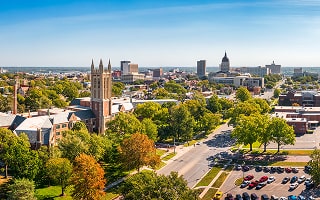
Kansas's housing market remains steady and competitive in 2025. With affordable prices and consistently high demand, the Sunflower State is an attractive target for local and out-of-state buyers and investors.
The median sale price for a home in Kansas was $303,200 in October 2025, reflecting a 6.2% year-over-year increase, and putting the state well below the national median of around $440,000. Relative to neighboring states, home prices in Kansas are similar to Nebraska ($307,900) and Missouri ($284,800), and less than half the median cost for a home in Colorado ($626,100). Only Oklahoma offers a consistently lower entry point, with a median sale price of $256,600.
Homes in Kansas sell quickly, with owners typically accepting an offer in around 30 days. This pace is significantly faster than the national median of 51 days, reflecting strong competition for well-priced homes across the state.
On the supply side, Kansas's housing remains highly competitive, despite a 5.4% year-over-year increase in the number of homes for sale. Limited inventory continues to support a seller's market, with just two months of supply (a five- or six-month supply is considered a balanced market). As the state continues to underbuild relative to its population size, the slow rate of construction activity in Kansas contributes to supply shortages and affordability challenges.
Adding to affordability concerns, Kansas has the 14th highest property tax rate, charging an average of 1.30% annually. Kansas's property tax burden is lower than that of neighboring Nebraska (1.50%), but higher than Missouri (0.88%) and Oklahoma (0.82%).
Foreclosure activity in Kansas is among the lowest nationally, with just one foreclosure per 9,450 homes, reflecting steady price growth and a stable housing market. As of October 2025, the state saw the seventh lowest foreclosure rate in the country, better than all four of its neighbors (Nebraska, Missouri, Oklahoma, and Colorado).
Which Areas in Kansas Offer the Best Return on Investment and Are Easiest for Residential Property Development?
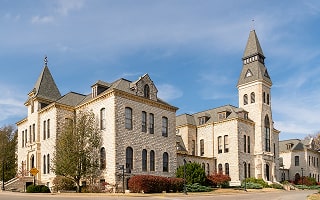
Kansas's low cost of living and growing rental market make it a promising place for real estate development and investment. Knowing which areas offer the best returns and are easiest for residential development may help buyers and investors make smart, profitable choices. In Kansas, these areas include:
-
Overland Park: Homes sell quickly in Overland Park, averaging just 21 days on the market. The median home value was around $461,000 as of October 2025, up 3% from the previous year. Over the last decade, home prices have nearly doubled, showing strong and steady growth in the local real estate market.
-
Wichita: Wichita's housing market is active, with a median sale price of $250,000, down roughly 2% from the previous year. Homes sell in a median of 40 days, with a sale-to-list-price ratio of 101.92%. The city balances affordability with strong revitalization in Old Town and Delano, where mixed-use projects and updated housing stock attract buyers and renters. Development is also streamlined by the one-stop permitting process, which simplifies approvals for residential and commercial work, making Wichita a more development-friendly market.
-
Kansas City: In Kansas City, the median home sale price was around $290,000 as of October 2025, a 7.4% increase from the previous year. The average rent is around $1,400, giving the city a strong price-to-rent ratio and making it ideal for investors seeking solid returns. Older Kansas City neighborhoods in particular offer attractive entry prices with attractive rental returns. Additionally, this city combines steady appreciation with redevelopment corridors that continue to drive demand.
-
Topeka: Topeka's housing market continues to gain traction, with a median sale price of around $222,000 (+5% year over year). Homes also sell fast, averaging just 32 days on the market. As the state capital, Topeka also benefits from steady government jobs, creating strong demand for rental property.
-
Olathe: With median home value of $597,000, Olathe remains a healthy, active real estate market, with properties selling in roughly 50 days. With high-quality public schools, access to jobs, and outdoor recreation activities, this area appeals to young couples and families.
-
Lenexa: Lenexa offers a balanced housing market with a median home value of $368,800 and a median rent of $1,429, making it attractive for buyers and renters. Ranked seventh among the best suburbs to live in Kansas, Lenexa combines quality housing and affordability with convenience and livability.
-
East Lawrence: East Lawrence offers many opportunities for real estate investors, with a median home value of around $240,000 (+13% year over year). With low foreclosure rates and fast-rising prices, East Lawrence remains a stable, relatively low-risk market.
-
Manhattan: Manhattan has a median home price of about $305,000, making it a stable, moderately priced market for investors. Kansas State University students and faculty provide a steady stream of renters in Manhattan; however, investors should note that the city enforces rental licensing and occupancy limits near campus, which can affect multitenant strategies.
-
Shawnee: With a median sale price of around $440,000, prices in Shawnee hover around the national median, offering relative affordability. Buyer demand remains high in Shawnee, with most listings moving to pending in just 17 days.
-
Gardner: The median home price is roughly $400,000 in Gardner, with most sellers accepting offers within about 25 days. This quicker turnover shows growing property demand and a competitive market, with solid price appreciation over the past several years.
What Home Styles, Sizes, and Features Tend to Sell Fastest in the Kansas Market?
Homes are selling fairly fast in Kansas compared to the national average. The median number of days to sell a property in Kansas is around 30, with even faster sales during peak months like May and June. Despite the state's efficient home-selling metrics, other characteristics that can help properties sell faster in the Kansas property market include the following:
-
![]() Bedrooms: The fastest-selling homes in Kansas have 3-4 bedrooms and at least 2 bathrooms, ideal for families who need space without excessive costs or maintenance requirements. In suburbs such as Overland Park, Olathe, Maize, and Derby, these homes go off the market fast, making them ideal for investors. University towns such as Lawrence and Manhattan also favor 3-bedroom houses, which work well for student rentals.
Bedrooms: The fastest-selling homes in Kansas have 3-4 bedrooms and at least 2 bathrooms, ideal for families who need space without excessive costs or maintenance requirements. In suburbs such as Overland Park, Olathe, Maize, and Derby, these homes go off the market fast, making them ideal for investors. University towns such as Lawrence and Manhattan also favor 3-bedroom houses, which work well for student rentals.
-
![]() Size and Lot: Homes sized between 1,500-2,000 square feet sell fastest in urban neighborhoods near Wichita and Kansas City, offering affordable living. In family-focused suburbs, such as Lenexa, Prairie Village, Shawnee, and Gardner, slightly larger homes with 2,000-2,500 square feet in Johnson County suburbs on 0.25- to 0.50-acre lots are most popular. These homes provide enough outdoor space for a garden and play area without too much maintenance upkeep.
Size and Lot: Homes sized between 1,500-2,000 square feet sell fastest in urban neighborhoods near Wichita and Kansas City, offering affordable living. In family-focused suburbs, such as Lenexa, Prairie Village, Shawnee, and Gardner, slightly larger homes with 2,000-2,500 square feet in Johnson County suburbs on 0.25- to 0.50-acre lots are most popular. These homes provide enough outdoor space for a garden and play area without too much maintenance upkeep.
-
![]() Style: In Kansas, ranch-style homes are popular and sell fast due to their single-story layouts, especially in places like Wichita's College Hill and Derby. Craftsman bungalows and updated Victorian cottages in neighborhoods such as Leavenworth and Lawrence attract serious buyers. Modern farmhouses with open-concept designs and trendy details, such as barn doors, move quickly in cities like Bel Aire and Andover. In urban markets like Kansas City and Topeka, condos and townhouses sell quickly due to low maintenance and appealing amenities.
Style: In Kansas, ranch-style homes are popular and sell fast due to their single-story layouts, especially in places like Wichita's College Hill and Derby. Craftsman bungalows and updated Victorian cottages in neighborhoods such as Leavenworth and Lawrence attract serious buyers. Modern farmhouses with open-concept designs and trendy details, such as barn doors, move quickly in cities like Bel Aire and Andover. In urban markets like Kansas City and Topeka, condos and townhouses sell quickly due to low maintenance and appealing amenities.
-
![]() Modern Upgrades: Modern upgrades help sell homes faster in cities like Overland Park, Wichita, and Olathe. Move-in-ready homes with open-concept kitchens outfitted with quartz or stone countertops, along with energy-efficient HVAC systems, new roofs, smart thermostats, LED lighting, neutral paint, and low-maintenance landscaping appeal to eco-conscious buyers, helping reduce time on the market.
Modern Upgrades: Modern upgrades help sell homes faster in cities like Overland Park, Wichita, and Olathe. Move-in-ready homes with open-concept kitchens outfitted with quartz or stone countertops, along with energy-efficient HVAC systems, new roofs, smart thermostats, LED lighting, neutral paint, and low-maintenance landscaping appeal to eco-conscious buyers, helping reduce time on the market.


What Should Home Sellers Know About Zoning Laws, Permits, and Regulatory Requirements in Kansas?
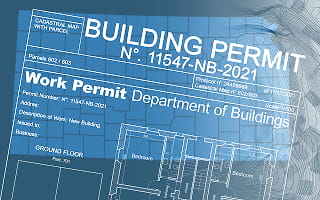
In Kansas, home sellers and developers should always check zoning rules, permits, and compliance records before putting a property on the market. This ensures the property is being used legally and meets all local requirements. Many buyers will ask for a zoning compliance letter (sometimes referred to as a zoning verification letter) to confirm that the property complies with its zoning district and approved uses. Having this letter ready can help protect the property's value, build buyer confidence, and keep closings on track. Taking this step early may prevent delays and unexpected costs during the sale.
Zoning regulations differ across cities in Kansas. To this end, it's necessary to understand which jurisdictions have less stringent zoning laws, and those that have stricter zoning laws.
Strict Zoning Laws
Strict zoning laws tightly control how land and buildings may be used. They may limit property types, set building size and height, or protect historic areas. In Kansas, strict rules generally mean more permits, public reviews, and longer timelines, but they also help preserve community character and property values.
- Mission Hills: The city enforces design guidance through its Architectural Review Board (ARB). Any exterior work, including renovations, alterations, and new construction, must be approved by the ARB before a permit is issued.
- Prairie Village: The village applies formal design standards that affect building scale and character, especially in older neighborhoods. The Planning Commission requires public hearings and meetings for rezonings, special use, and conditional use permits.
- Saline County: The county's strict zoning rules control land use in different areas. It sets limits on building size, placement, and uses. Special projects require approval after public hearings. Many projects trigger special-use permits and public hearings.
Less Bureaucratic Zoning Laws
In parts of Kansas with less bureaucratic zoning, changing land use may be quicker and simpler. They have fewer approval steps, shorter wait times, and less paperwork, helping move projects faster.
- City of Wichita and Sedgwick County: Both jurisdictions use the Metropolitan Area Building and Construction Department (MABCD), which handles building permits, trade licenses, and inspections. This one-stop-shop approach means applicants work with a single office for most project needs, reducing delays while helping keep construction and renovation projects on track.
- Johnson County: The county provides online permitting for building and trade permits. It also offers pre-application support through conferences where staff, applicants, and stakeholders review the proposed development plan.
- Leavenworth: Minor renovations have fewer permitting hurdles and may only require a basic building permit. The Inspection and Permit Division review process takes 10 business days for most residential projects and 3-5 weeks for commercial projects.
Special Permit Requirements (Via Public Hearing)
In some Kansas cities, certain building projects require a special permit before beginning construction. This typically requires a public hearing where neighbors may offer input, and the local zoning board must approve the request. The process ensures new developments fit the community's preferences and follow local rules.
- Overland Park: Overland Park's development review process requires public notices, protest petitions, and a public hearing before the zoning board. These steps ensure community input and compliance with the development plan.
- Saline County: The county requires special use permits for similar land uses, such as accessory dwellings and home occupations in rural zoning districts. Applicants must attend a public hearing before the Planning and Zoning Department.
- City of Leawood: The city requires newspaper publications, interactive meetings, a protest period, and a public hearing with the Planning Commission for all rezoning and special-use permit procedures.
Certificate of Occupancy Requirements
Many cities and counties in Kansas, including Lawrence, Lenexa, Douglas, and Olathe, require a CO before anyone may legally live in or use a new building or major renovation. The CO confirms that the property meets all safety, zoning, and building codes. Without this certificate, occupying the property is illegal and may lead to fines or delays in closing. COs are typically obtained from the local building departments in the cities and counties that require them.
Historic Commission Approval for Certain Renovations
Some cities and towns have historic commissions that protect the character of older buildings. These commissions require homeowners and developers to obtain approval before making certain changes to a building's exterior, like renovations, use of specific materials, or alterations to appearance. Historic commissions aim to preserve the area's historic charm and style.
- Kansas City: The Landmarks Commission reviews all applications for changes to the exterior of a property within its historic district.
- Leawood: The Historic Commission in select districts requires reviews and approves changes to homes in designated historic areas. This ensures renovations and materials preserve the neighborhood's original look.
- Hutchinson: The city's Landmarks Commission governs historic districts where the city reviews and approves changes to building exteriors, including updates to windows, roofs, doors, and siding, to keep the area's historic character.
Which Towns or Cities in Kansas Are Easiest, and Hardest, When It Comes to Navigating Real Estate Regulations?

Sellers and developers should obtain a zoning verification letter, confirm any CO requirements, and check for historic-district or overlay controls before buying, renovating, or listing a property to avoid delays, added cost, or value loss. Below is a comparative overview of various Kansas regulatory environments:
Development-Friendly Areas
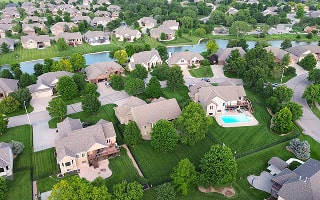
These jurisdictions across Kansas actively support growth through streamlined permitting, flexible zoning, and incentives for builders:
- Olathe: Olathe offers a streamlined digital permitting experience through its online permitting portal, enabling users to apply for new permits, schedule inspections, access permit information, and upload required documents.
- Overland Park: The city's development review process assists developers from pre-application conferences to applying the comprehensive plan and submitting applications.
- Lenexa: Lenexa publishes a clear planning toolkit that contains comprehensive information and resources for developers. It includes a permit portal, zoning map, design standards, and a development guide.
- Wichita: The city jointly operates a unified online permit portal through which users may apply for commercial and residential permits, schedule inspections, pay fees, renew licenses, and check permit statuses.
- Derby: Derby provides a user-friendly permitting process for residential and commercial projects, including accessory structures, additions, and remodels. It also includes a fee resolution document that details the cost structure of various permits.
Moderately Regulated Areas
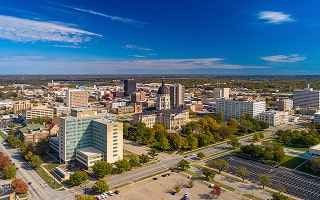
Moderately regulated areas have rules around zoning and permits, but allow somewhat flexible development with limited oversight. In Kansas, these areas include:
- Topeka: Topeka requires a pre-application meeting before submitting a conditional use permit. After submission, the city requires a published notice of the application, while the Planning Commission holds a public hearing to review the request.
- Manhattan: The Development Review Division requires a discovery meeting or pre-application meeting before submitting a land use application. After submission, a public notification and hearing are required before the review body approves or denies the permit.
- Salina: The city permits online submission for building permits for unincorporated areas. However, the Planning Commission has a comprehensive plan for physical development and holds hearings regarding applications for rezoning property.
- Hutchinson: The city conducts construction inspections to ensure compliance with building code. Additionally, the city enforces zoning regulations to manage land use and development.
- Leavenworth: Special Use Permits are reviewed by the Planning Commission, followed by a public hearing and decisions rendered by the City Commission. The process may take up to 90 days.
Highly Restrictive or Bureaucratic Areas
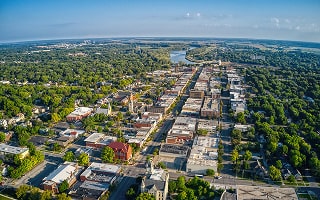
These areas in Kansas typically face strong community opposition to new projects, along with strict zoning codes and lengthy approval steps:
- Mission Hills: The Architectural Review Board ensures all structures in Mission Hills comply with architectural and aesthetic standards. Additionally, substantial construction must undergo preliminary review by the Professional Review Panel.
- Leawood: Rezoning and site plan applications undergo a structured process that includes plan submissions, public notices, Planning Commission hearings, and action by the Governing Body. This lengthy process extends the timeline for project approvals.
- Prairie Village: The village enforces strong design standards through its zoning framework. Exterior renovations and additions are strictly regulated and must align with specific neighborhood preservation goals.
- Lawrence: Any major exterior work (including alterations, signage, demolitions, or constructions) on a property within its historic district or on a designated historic landmark requires a Certificate of Appropriateness.
- Kansas City (Unified Government of Wyandotte County): The city's Landmarks Commission enforces a review process for all exterior alterations for landmark properties and those in designated historic districts. A Certificate of Appropriateness is required before building permits are issued.
Regulatory Climate Factors

Kansas's regulatory climate varies widely, with local zoning, historic districts, and wetland rules affecting project timelines and speed. Sellers and developers should check city or county rules, permit history, zoning letters, and any special controls before buying or listing.
Factor |
Impact on Development |
Where It's Found |
|---|---|---|
Zoning Flexibility |
Determines ease of land use |
Olathe, Overland Park, Lenexa, Gardner, Derby, Wichita, parts of Johnson County, and Manhattan (unincorporated Riley County) |
Historic Preservation Laws |
Adds restrictions |
Lawrence Downtown historic district, Topeka's East Preservation Area, Wichita's College Hill Overlay, Mission Hills, Prairie Village, Leawood, and Kansas City historic districts |
Wetlands/Conservation |
Limits buildable land |
Flint Hills, Cheyenne Bottoms, River corridor, and Quivira National Wildlife Refuge environs |
Affordable-housing incentives |
Requires affordable units |
Kansas City metro, Wichita, and Topeka |
Building Code Enforcement |
Affects cost/speed |
Wichita, Overland Park, Topeka, Johnson County municipalities, Kansas City, and Sedgwick County |
Local Politics/NIMBYism* |
Blocks or delays projects |
Prairie Village, Mission Hills, Leawood, West Lawrence neighborhoods, and Johnson County neighborhoods |
*NIMBYism - Not in My Backyard
What Are the Most Effective Flipping and Resale Strategies for Maximizing Profit in Kansas's Housing Market?
Kansas offers affordable homes, strong rental markets, and fast-growing cities, all of which can set up investors for opportunities to generate outsized returns on investment. While each investment strategy offers unique pros and cons, here are some of the top flipping and resale strategies across the state:
-
![]()
Target Distressed or Foreclosed Homes: Targeting distressed and foreclosed homes in Kansas may help maximize investment returns, especially in mid-sized cities, such as Wichita, Topeka, Manhattan, and parts of Kansas City. In counties like Sedgwick, Douglas, and Johnson, foreclosures, REOs (bank-owned properties), and auction properties may sell at up to 30% below market value. Successful flippers often build relationships with local auction houses, banks, or courthouses to source these deals. At county tax and sheriff's sales, it's important to always perform title, municipal lien, and redemption checks before bidding.
-
![]()
Use the 70% Rule: The 70% rule helps Kansas investors avoid overpaying for fixer-uppers. The formula is: (After-Repair Value x 70%) - Repairs = Maximum Offer Price. This approach protects profit margins, especially in fast-changing markets, such as Overland Park, Wichita, and Johnson and Sedgwick counties.
-
![]()
Try Wholetailing for Speed: Wholetailing is a fast-flip strategy popular in Kansas suburbs, such as Derby, Shawnee, Gardner, and parts of Johnson and Sedgwick counties. It focuses on quick cosmetic upgrades, such as fresh paint and flooring, to get the home move-in ready. This approach avoids costly repairs and reduces time on the market.
-
![]()
Follow the BRRRR Method (Buy, Rehab, Rent, Refinance, Repeat): Here, investors buy undervalued homes, renovate them to meet rental standards, and rent them out to reliable tenants. Once stabilized, investors refinance the property to pull out equity and fund the next purchase. This cycle helps create ongoing cash flow and equity. The BRRRR strategy is ideal in university towns, such as Lawrence and Manhattan; military areas like Fort Riley; and steady rental markets, such as Wichita and Kansas City. In Kansas, many cities require rental licensing and regular inspections, often on annual or biennial calendars. Staying on top of these timelines is essential to maintain compliance, avoid fines, and ensure smooth refinancing with lenders.
-
![]()
Go Beyond Cosmetic Work (Value-Add Flipping): Value-add conversions, such as adding legal bedrooms, finishing basements, or building accessory dwelling units (ADUs), may boost rental income and property value significantly. This strategy is ideal in cities with flexible zoning, such as Kansas City, Lawrence, and Wichita. Investors should always confirm parking and lot coverage before pursuing value-add flips.
-
![]()
Stage and Price Strategically: Staging and strategic pricing help Kansas sellers and flippers attract buyers fast by making the home appear move-in ready and pricing it to sell. Professional staging highlights a home's best feature, appealing to mid-to-upper-tier buyers. Pairing staging with high-quality photos and pricing just below similar homes encourages multiple offers and quicker sales, especially in competitive suburbs like Overland Park and Lenexa.
-
![]()
Buy at Auction or Off Market: Using auctions and off-market channels helps investors find discounted properties not listed publicly. In Kansas, county auctions in Sedgwick, Douglas, and Johnson counties offer foreclosures and probate sales that may offer good return opportunities for flippers. Additionally, exploring tax liens or sheriff's sales in more rural counties, such as Shawnee and Leavenworth, may reveal low-competition flips.


How Should Sellers Price Their Homes to Attract Buyers While Maximizing Value in Kansas?
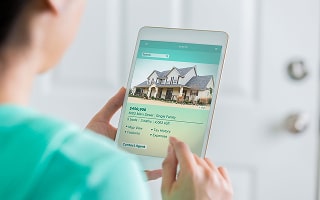
When selling a home in Kansas, it's important to work with a local real estate agent or appraiser who understands the market. They can help analyze comparable homes currently for sale, under contract, or recently sold within the past 90 days. Using a 90-day comp window ensures pricing reflects the most recent market conditions, while also adjusting for seasonality, such as slower winter sales and spring/summer demand.
This approach helps set a price that's both competitive for buyers and profitable for sellers, minimizing the risk of overpricing, underpricing, or prolonged time on the market, all of which can leave money on the table.
-
![]() Pricing Just Below Below Market Thresholds: This strategy works by listing a property slightly under a major price point, for instance $299,900 instead of $300,000, to ensure your home appears in more online searches. In fast-moving Kansas suburbs such as Overland Park, Olathe, Lenexa, Shawnee, and parts of Johnson and Douglas counties, listing slightly under a major price point can create urgency, boost showings, and potentially even lead to bidding wars.
Pricing Just Below Below Market Thresholds: This strategy works by listing a property slightly under a major price point, for instance $299,900 instead of $300,000, to ensure your home appears in more online searches. In fast-moving Kansas suburbs such as Overland Park, Olathe, Lenexa, Shawnee, and parts of Johnson and Douglas counties, listing slightly under a major price point can create urgency, boost showings, and potentially even lead to bidding wars.
-
![]() Charm Pricing (Psychological Pricing): Charm pricing uses slightly odd-numbered prices, such as a 7 or 9, to make a home price appear more affordable. Listing at $249,900 instead of $250,000 may attract more buyers, even though the actual price difference is minimal. Charm pricing works in mid-tier suburbs and commuter towns, including Maize and Derby, the Aggieville area, Topeka's Potwin neighborhood, and parts of Riley, Sedgwick, and Shawnee counties.
Charm Pricing (Psychological Pricing): Charm pricing uses slightly odd-numbered prices, such as a 7 or 9, to make a home price appear more affordable. Listing at $249,900 instead of $250,000 may attract more buyers, even though the actual price difference is minimal. Charm pricing works in mid-tier suburbs and commuter towns, including Maize and Derby, the Aggieville area, Topeka's Potwin neighborhood, and parts of Riley, Sedgwick, and Shawnee counties.
-
![]() Pricing to Create a Bidding War: Pricing to create a bidding war starts by listing your home slightly below comparable sales prices, usually about 95% of market value, to spark competition among buyers. The goal is to attract multiple offers, which may drive up the final sale price. Pricing to create a bidding war works in seller's markets where inventory is low and demand is strong, including Prairie Village, Leawood, and Lawrence historic districts.
Pricing to Create a Bidding War: Pricing to create a bidding war starts by listing your home slightly below comparable sales prices, usually about 95% of market value, to spark competition among buyers. The goal is to attract multiple offers, which may drive up the final sale price. Pricing to create a bidding war works in seller's markets where inventory is low and demand is strong, including Prairie Village, Leawood, and Lawrence historic districts.
-
![]() High-Anchor Pricing (Test the Waters): This strategy begins by listing a home at the very top of its market range, such as $800,000 in a $750,000-$800,000 market, leaving room for negotiation and future price reductions. High anchor pricing is ideal for renovated urban-core properties or unique homes in high-demand areas, including Kansas City, Westheight Manor, Prairie Village, and Lawrence historic districts.
High-Anchor Pricing (Test the Waters): This strategy begins by listing a home at the very top of its market range, such as $800,000 in a $750,000-$800,000 market, leaving room for negotiation and future price reductions. High anchor pricing is ideal for renovated urban-core properties or unique homes in high-demand areas, including Kansas City, Westheight Manor, Prairie Village, and Lawrence historic districts.
-
![]() Price-Per-Square-Foot Benchmarking: Price-per-square-foot benchmarking sets an asking price based on the average price per square foot of similar homes in the area, then adjusting for lot size, finishes, and upgrades. This pricing strategy is ideal in planned communities where homes share similar layouts, such as in Wichita suburbs and Gardner. It's also effective in Johnson, Sedgwick, and Shawnee County subdivisions, where uniform design makes pricing more predictable.
Price-Per-Square-Foot Benchmarking: Price-per-square-foot benchmarking sets an asking price based on the average price per square foot of similar homes in the area, then adjusting for lot size, finishes, and upgrades. This pricing strategy is ideal in planned communities where homes share similar layouts, such as in Wichita suburbs and Gardner. It's also effective in Johnson, Sedgwick, and Shawnee County subdivisions, where uniform design makes pricing more predictable.
-
![]() Appraisal-Backed Pricing: This strategy focuses on choosing a list price that's close to the appraised value of the home. Appraisal-backed pricing is ideal in areas with more FHA or VA buyers, such as Manhattan, Junction City, and areas near Fort Riley or Fort Leavenworth. It may also work well in areas where FHA loans are common, such as Salina, Derby, and parts of Wyandotte County.
Appraisal-Backed Pricing: This strategy focuses on choosing a list price that's close to the appraised value of the home. Appraisal-backed pricing is ideal in areas with more FHA or VA buyers, such as Manhattan, Junction City, and areas near Fort Riley or Fort Leavenworth. It may also work well in areas where FHA loans are common, such as Salina, Derby, and parts of Wyandotte County.
-
![]() Net-to-Seller Pricing: Net-to-seller pricing starts with choosing the number you want to walk away with after the sale, then working backward to set your list price. With this strategy, you'll subtract estimated commissions, closing costs, buyer concessions, repairs, and any outstanding mortgage amount from the projected sales price. This method is helpful in slower markets like Topeka, Hutchinson, Salina, or Dodge City, where pricing needs to be realistic to attract buyers.
Net-to-Seller Pricing: Net-to-seller pricing starts with choosing the number you want to walk away with after the sale, then working backward to set your list price. With this strategy, you'll subtract estimated commissions, closing costs, buyer concessions, repairs, and any outstanding mortgage amount from the projected sales price. This method is helpful in slower markets like Topeka, Hutchinson, Salina, or Dodge City, where pricing needs to be realistic to attract buyers.
-
![]() Urgency Pricing (Motivated Seller Strategy): With this pricing strategy, a seller lists a home below market value to attract fast offers, usually sacrificing some profit for quick sales. Urgency pricing is common in estate sales, pre-foreclosures, or quick relocations, where selling quickly is more important than earning top dollar. Pricing under comparable sales may attract all-cash buyers and close deals quickly, reducing holding costs. This strategy works well across most of Kansas, including in Pittsburg, Parsons, Independence, and Coffeyville.
Urgency Pricing (Motivated Seller Strategy): With this pricing strategy, a seller lists a home below market value to attract fast offers, usually sacrificing some profit for quick sales. Urgency pricing is common in estate sales, pre-foreclosures, or quick relocations, where selling quickly is more important than earning top dollar. Pricing under comparable sales may attract all-cash buyers and close deals quickly, reducing holding costs. This strategy works well across most of Kansas, including in Pittsburg, Parsons, Independence, and Coffeyville.


To get the best price and attract the right buyers in Kansas, identify the market conditions in your property's locale, then pick a pricing strategy that suits those conditions and your specific goals. Here's a simple guide to help you choose the best pricing strategy for different market conditions.
Market Condition |
Best Strategy |
|---|---|
Seller's Market |
Underpricing for a bidding war |
Buyer's Market |
Charm pricing or net-to-seller |
Unique, luxury home |
High-anchor + value justification |
Entry-level home |
Just below threshold |
Urgent sale needed |
Aggressive urgency pricing |
Flipper or investor listing |
Appraisal-backed or price-per-square-foot |
Which Key Economic, Social, and Regulatory Factors Are Driving Current Trends in Kansas's Local Property Markets?

Understanding the key factors that affect Kansas's local property market helps investors, developers, and sellers understand supply, demand, and pricing in Kansas housing markets. These factors include:
![]() Economic Factors
Economic Factors
 Economic Factors
Home prices in Kansas have been rising steadily, including a 7.9% increase in 2024, and are expected to continue rising through 2025. Kansas offers affordable costs of living with a median home price just north of $300,000 and quick sales averaging around 30 days on the market, showing high demand in many cities. Agriculture, manufacturing, healthcare, and logistics drive the Kansas economy, creating significant opportunities for skilled professionals and impacting housing demand in the state.
Kansas is expected to see a rise in new residential builds, with steady construction activity that may help meet housing demand. However, rising costs for materials and labor are slowing housing growth.
![]() Demographic and Social Factors
Demographic and Social Factors
 Demographic and Social Factors
Kansas consistently ranks among the states with a significantly lower cost of living (more than 13% below the national average), attracting residents moving away from higher-cost-of-living states. Suburban Johnson County, Overland Park, and Olathe have a steady influx of people relocating from out of state, while young professionals and families are migrating from rural areas to growing metros like Wichita and Lawrence.
University towns such as Lawrence, Manhattan, and Pittsburg draw students and faculty members, driving high rental demand and the conversion of single-family homes into multiunit properties. Additionally, the median age in Kansas is 37.9, suggesting a population raising families and making significant financial investments, including in primary residences, which increases demand for single-family homes.
![]() Regulatory and Legal Framework
Regulatory and Legal Framework
 Regulatory and Legal Framework
Kansas has no statewide rent control, but zoning and permitting rules vary by city and county, shaping the speed and costs of development projects. Pro-growth areas, such as Johnson County, Overland Park, Olathe, and Sedgwick County, often provide quicker approvals and flexible zoning to encourage development.
In contrast, historic districts in Topeka, Lawrence, Hutchinson, and Leavenworth require design review and preservation compliance, which may extend timelines and increase costs. Smaller cities like Salina and Manhattan may offer targeted incentives to make it easier for builders to develop new housing, but still enforce local building codes.
![]() Taxation and Fiscal Policy
Taxation and Fiscal Policy
 Taxation and Fiscal Policy
Kansas's moderate property taxes and tiered income tax rates, which are around the national average, help keep ownership and transaction costs manageable. The state does not charge real estate transfer taxes, reducing closing expenses for sellers and buyers. Developers and investors may also benefit from incentives such as the Historic Rehabilitation Tax Credit and tax-exempt bond financing from the Kansas Housing Resource Corporation (KHRC), which support downtown revitalization in cities such as Wichita, Topeka, and Lawrence.
![]() Housing Policy and Government Programs
Housing Policy and Government Programs
 Housing Policy and Government Programs
Kansas supports housing development through a mix of state, federal, and local programs that improve project feasibility and expand affordability. The KHRC manages the LIHTC allocations, the Kansas Affordable Housing Tax Credit, and the Kansas Housing Investor Tax Credit, which support affordable and mixed-income developments in cities such as Wichita, Topeka, and Manhattan. First-time buyers benefit from low-interest mortgages, while USDA rural loan programs and federal HOME and National Housing Trust Fund programs help smaller communities such as Hays, Garden City, and Dodge City.
![]() Infrastructure and Development Trends
Infrastructure and Development Trends
 Infrastructure and Development Trends
The I-35 and I-70 interchange improvements are unlocking suburban and exurban development in Salina and Wellington, while transit expansions in Wichita encourage infill development near job hubs. The Broadband Acceleration Grant Program, Broadband Equity Access and Deployment program, and the Freestate Middle Mile Network are boosting connectivity in underserved areas, supporting remote worker relocations and housing demand in rural counties, such as Finney, Ford, and Barton.
![]() Market Sentiment and Investor Behavior
Market Sentiment and Investor Behavior
 Market Sentiment and Investor Behavior
Market sentiment in Kansas shows investors are actively pursuing BRRRR strategies and value-add projects to meet high rental demand. County property auctions in Sedgwick, Douglas, Wyandotte, and Shawnee counties remain prime sources for discounted homes, while Johnson and Riley counties see active flipping markets. Digital wholesaling platforms are also expanding, allowing smaller investors in places like Topeka, Manhattan, and Garden City to find and sell deals without traditional agents.
The Kansas housing market offers affordable homes with steady demand and competitive sales, attracting both first-time buyers, investors, and out-of-state buyers seeking lower costs of living. Limited inventory and lower costs keep buyer interest high, while local economics create diverse market conditions. 3- to 4-bedroom homes with mid-size layouts and modern kitchens sell best in the state, particularly when they're move-in ready and feature energy-efficient upgrades. Before listing a property, sellers should focus on localized pricing strategies that consider current market conditions, and obtain a zoning compliance letter to help catch any violations or other issues early, boost buyer confidence, and build trust. Since regulations can vary widely across the state, sellers and flippers need to understand the local market where they intend to invest, including building codes and other regulations, as well as buyer preferences.
Table of Contents
- Kansas Home Selling
- Which Areas in Kansas Offer the Best Return on Investment and Are Easiest for Residential Property Development?
- What Home Styles, Sizes, and Features Tend to Sell Fastest in the Kansas Market?
- What Should Home Sellers Know About Zoning Laws, Permits, and Regulatory Requirements in Kansas?
- Which Towns or Cities in Kansas Are Easiest, and Hardest, When It Comes to Navigating Real Estate Regulations?
- What Are the Most Effective Flipping and Resale Strategies for Maximizing Profit in Kansas's Housing Market?
- How Should Sellers Price Their Homes to Attract Buyers While Maximizing Value in Kansas?
- Which Key Economic, Social, and Regulatory Factors Are Driving Current Trends in Kansas's Local Property Markets?